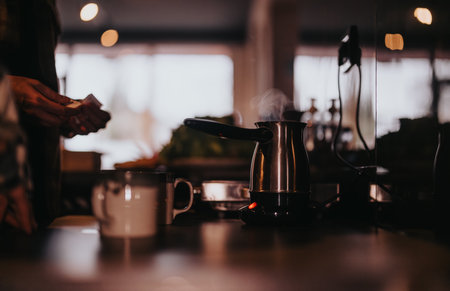

Setting the Scene: Coffee’s Place in Indian Social Life
Step into the heart of India, and you’ll find coffee quietly woven into the fabric of daily life—a comforting thread connecting generations, friends, and strangers alike. From the aromatic alleys of Bengaluru to the bustling lanes of Chennai, coffee is far more than a beverage; it’s an invitation to pause, converse, and belong. Whether served in gleaming steel tumblers at old-school South Indian filter coffee houses or sipped from paper cups at roadside dhabas on a midnight highway stop, coffee has become an essential companion to both urban routines and rural rhythms. In India’s vibrant hotels and restaurants, the act of ordering a cup is never just about quenching thirst—it is a ritual that bridges tradition and modernity, offering a warm welcome and a moment of connection. As city cafés hum with young professionals discussing new ideas and humble eateries echo with animated family conversations, one thing remains certain: every steaming cup tells its own story within the grand mosaic of Indian hospitality.
2. South Indian Filter Coffee: Brews Steeped in Heritage
In the aromatic corridors of Indian hotels and restaurants, few rituals are as cherished as the preparation and enjoyment of South Indian filter coffee, fondly called “filter kaapi.” This beverage is not merely a drink; it is a cultural symbol, deeply woven into the fabric of daily life across southern states like Tamil Nadu, Karnataka, Andhra Pradesh, and Kerala. The process begins at dawn, with families and hotel staff alike grinding fresh roasted coffee beans—typically a blend of robusta and arabica, often mixed with chicory for body and flavor. The ground coffee is then carefully packed into a traditional metal filter, over which hot water is poured to slowly coax out an intense decoction.
The serving ritual is just as distinctive. Hot, frothy milk is added to the strong decoction, and sugar to taste—always customized per customer preference. The resulting brew is poured back and forth between a steel tumbler and a wide-bottomed davara (bowl), creating bubbles and cooling the liquid slightly while aerating it to perfection. This theatrical movement isn’t just for show; it’s believed to enhance aroma and texture, culminating in a sensory experience that bridges nostalgia and hospitality.
Traditional Filter Coffee Service vs. Modern Instant Coffee
| Filter Kaapi | Instant Coffee | |
|---|---|---|
| Preparation Time | 5-10 minutes (brewing decoction) | 1-2 minutes (just add hot water/milk) |
| Equipment | Steel filter, tumbler & davara | Cup or mug |
| Sensory Experience | Aromas from freshly ground beans; rich mouthfeel; interactive pouring ritual | Quick caffeine fix; less complex flavors; minimal ritual |
| Cultural Significance | Symbol of hospitality, tradition, family gatherings | Convenience-driven modern lifestyle choice |
| Common Venues | Udupi hotels, heritage restaurants, home kitchens | Cafes, offices, highway eateries, homes |
The Sensory Ritual: More Than Just a Morning Brew
Sitting in a bustling hotel or a quiet corner restaurant, the clink of steel tumblers becomes part of the ambiance. The thick aroma envelops guests as they cradle their tumblers between hands—a pause from the day’s rush. For many South Indians, this act of sipping filter kaapi is meditation; it signals both comfort and community. In fact, regulars at famed establishments such as Saravana Bhavan or MTR Hotels often measure their visits not by meals consumed but by cups of kaapi shared.
Legacy That Persists Across Generations
The legacy of South Indian filter coffee continues to thrive amidst changing times. While instant coffee now finds favor for its convenience among younger urbanites and busy travelers, filter kaapi remains the soulful heart of traditional hospitality in Indian hotels and restaurants—a bridge linking generations through taste, memory, and daily ritual.
3. The Rise of Instant Coffee: Convenience Meets Culture
When we talk about coffee in India, its impossible to ignore the swift and aromatic rise of instant coffee—a revolution that has touched every corner, from bustling city hotels to humble roadside dhabas. The story of instant coffee here is not just about a beverage; it’s about how convenience mingled with tradition, and how global brands like Nescafé and Bru became woven into the fabric of Indian daily life.
The Entry of Instant Coffee Brands
It was in the latter half of the 20th century that Nescafé, and soon after, Bru, made their entry into the Indian market. Their promise was irresistible: a cup of strong, hot coffee ready in minutes, no decoction brewing or filter cleaning required. With busy mornings and the growing urban workforce, Indian homes and hotels quickly embraced this new ritual. The red jar of Nescafé became a familiar sight in hotel pantries and restaurant shelves alike.
Adapting to the Indian Palate
What makes instant coffee truly Indian is how it adapted to local tastes. Unlike the traditional filter kaapi—smooth, bold, often mixed with chicory—instant coffee offered flexibility. People could make it as strong or as light as they wished, sweeten it with heaps of sugar, or add a generous pour of milk. In many hotels and restaurants across South India and beyond, “Nescafé” became shorthand for a quick cup, served piping hot in steel tumblers or glass cups, always accompanied by a biscuit or two.
Coffee on Every Corner
Perhaps the most charming chapter in this story is found on India’s roadsides: the chaiwala who added instant coffee sachets to his setup; the small eateries where “one-by-two” coffee (a single serving split between two cups) became common among friends. Instant coffee democratized access—no longer confined to upscale hotels or South Indian households, now everyone could enjoy a quick cup whether waiting for a bus or taking a break from shopping at the bazaar.
Thus, instant coffee didn’t just find its place—it created one, bridging modern convenience with the Indian love for hospitality and shared moments over a hot drink. The tradition continues today, as families gather around kitchen tables and travelers sip roadside brews, each cup infused with both nostalgia and novelty.
4. Hotel and Restaurant Traditions: From Irani Cafés to Five-Star Buffets
Journeying through India’s hospitality scene, one discovers a rich tapestry of coffee traditions woven into the very fabric of everyday life. At one end, the legendary Irani cafés—once bustling meeting spots for Mumbai’s poets, students, and workers—still serve their signature milky coffee in simple white cups. Here, the ritual is unhurried; the coffee is often sweetened generously, paired with bun maska or khari biscuits, inviting patrons to linger over conversation and nostalgia.
Moving up the culinary ladder, classic South Indian restaurants across cities like Bengaluru and Chennai bring forth the iconic filter kaapi. Served piping hot in dabarah sets, this brew is made with freshly ground beans, chicory, and plenty of frothy milk. The staff deftly pour the coffee back and forth between cup and saucer to create the perfect crema—a performance as much as a beverage.
Meanwhile, North Indian dhabas and mid-range hotels often keep instant coffee sachets handy, catering to quick service demands. Here, guests may request “one strong Nescafe” or “light coffee,” and get a cup instantly whisked together with hot water or milk, reflecting an efficient approach that’s become part of urban Indian dining culture.
| Coffee Type | Typical Venue | Serving Style |
|---|---|---|
| Irani Café Coffee | Irani Cafés (Mumbai, Hyderabad) | Milky & Sweet in Ceramic Cups |
| Filter Kaapi | South Indian Restaurants | Dabarah Set; Frothy Pour |
| Instant Coffee | Dhabas & Mid-range Hotels | Sachet-based; Quick Mix |
As we move into upscale urban hotels and five-star properties, coffee takes on a cosmopolitan air. Lavish breakfast buffets feature live coffee counters—baristas brewing espresso shots, cappuccinos, or even South Indian filter coffee by request. Here, guests are greeted with choice: from artisanal single-origin beans to familiar instant blends, all served amidst plush surroundings.
This evolution—from humble Irani cafés to posh hotel buffets—captures India’s embrace of both tradition and modernity in its coffee culture. Whether it’s the comfort of a thick glass tumbler in a railway canteen or the aroma rising from a sleek espresso machine at a luxury brunch, every cup tells a story of place, people, and palate.
5. Regional Influence: North vs South, Metro vs Small Town
Indias coffee story is not written in a single hand; it is shaped by geography, community, and centuries-old customs. In the lush southern states like Karnataka, Tamil Nadu, and Kerala, filter coffee is more than just a beverage—its a sacred morning ritual. Here, the rich aroma of freshly brewed decoction blending with hot milk, poured back and forth between dabaras and tumblers, sets the tone for the day. In these regions, hotels and local restaurants take pride in their filter kaapi, often sweetened and served piping hot to loyal patrons who would accept nothing less.
Contrast this with the north, where chai reigns supreme and coffee remains an urban indulgence. Instant coffee finds favor here—quick to prepare and easy to customize, it fits seamlessly into the fast-paced rhythm of metropolitan life. North Indian hotels and eateries might offer instant coffee as a nod to cosmopolitan tastes or as a companion to international cuisine on their menu.
Yet another layer emerges when you journey from bustling metros like Mumbai or Delhi to smaller towns and highway dhabas. In the cities, global café culture and specialty brews have begun influencing young crowds; baristas whip up cappuccinos and cold coffees in air-conditioned cafés that hum with Wi-Fi and conversation. Meanwhile, in small towns and roadside diners across the country, practicality prevails: instant coffee sachets are favored for their convenience, while filter coffee remains a marker of regional identity in the south.
The interplay of tradition and modernity is evident everywhere. Geography dictates what’s poured into your cup—whether it’s heritage-rich filter coffee savored in a family-run Udipi restaurant or a quick mug of instant at a railway canteen in Lucknow. Community preferences shape rituals: some savor every sip surrounded by family chatter, others take theirs on the go. Through these contrasts, Indias hotels and restaurants reflect not just taste but the very soul of their region.
6. Classic Pairings and Rituals: Coffee, Conversations, and Accompaniments
In the bustling tapestry of Indian hospitality, coffee is rarely served alone. The tradition of pairing filter coffee or instant coffee with beloved snacks is woven into the daily rhythms of hotels and restaurants across the country. Step into any South Indian hotel in Chennai or Bengaluru at dawn, and you will find patrons savoring their frothy tumbler of filter kaapi alongside fluffy idli, crispy vada, and a dollop of coconut chutney. This classic combination is more than breakfast; it is a gentle ritual that awakens both palate and spirit, inviting conversation across tables shared by friends, families, and strangers alike.
Elsewhere, in North Indian establishments or railway canteens echoing with travelers’ tales, the scene shifts to thick ceramic cups brimming with sweet, strong instant coffee—sometimes spiced with a hint of cardamom—served beside plates of golden-brown Parle-G or Marie biscuits. Dunking a biscuit into hot coffee is a small act of pleasure that transcends generations, evoking childhood memories and creating new ones in smoky, chatter-filled corners of the city.
The accompaniments may change from region to region—think samosas in Delhi’s old eateries or spicy murukku in Tamil Nadu—but the underlying ritual remains the same: coffee as a catalyst for connection. In every hotel and restaurant, there is an unspoken understanding that no matter how hurried the day, there must be time carved out for this pause—a steaming cup, a bite to eat, and an exchange of stories.
Coffee as a Social Bond
The Indian way of drinking coffee is inherently communal. Whether it’s sharing laughter over an evening filter coffee after work or catching up on family news during a Sunday breakfast at your favorite local hotel, coffee becomes the centerpiece around which relationships are nurtured. It’s not unusual to see groups debating cricket scores or politics over rounds of coffee and snacks—the drink serving as both refreshment and facilitator for lively discussion.
The Gentle Art of Service
The very act of being served filter coffee—with its dramatic pouring from tumbler to dabarah to create foam—or receiving a tray with instant coffee and neatly stacked biscuits speaks volumes about Indian hospitality. The rituals extend beyond taste; they are sensory performances: the aroma rising from freshly brewed decoction, the clink of stainless steel, the warmth that lingers in hand and heart alike.
A Timeless Experience
These pairings and rituals transform simple acts into cherished experiences. Whether you favor filter coffee with idli-vada at a heritage hotel or quick instant coffee with buttery biscuits at your neighborhood chai stall, each cup holds within it stories—of place, people, and tradition. In India’s hotels and restaurants, coffee is never just a beverage; it is an invitation to pause, savor life’s small joys, and celebrate togetherness one sip at a time.