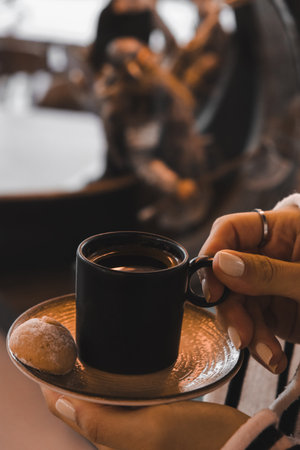

Introduction: The Rising Wave of Cold Brew in India
In recent years, India’s vibrant coffee culture has witnessed a fascinating transformation, with cold brew coffee emerging as a favourite among the country’s youth and urban population. Once known primarily for its traditional filter coffee and chai, the Indian beverage landscape is now embracing this cool, smooth innovation. From the bustling streets of Mumbai to the trendy cafés in Bengaluru, cold brew has become more than just a drink—it’s a lifestyle statement for millennials and Gen Z. As air-conditioned co-working spaces and Instagrammable cafés flourish across metropolitan cities, cold brew coffee is finding its place on menus alongside masala chai and South Indian filter kaapi. This shift reflects not only changing tastes but also a broader openness to global trends, all while blending seamlessly with local flavours and preferences. The journey of cold brew in India is just beginning, and its rise hints at how tradition and modernity can coexist deliciously within the country’s dynamic beverage scene.
2. From Channi to Chill: Tracing India’s Traditional Coffee Roots
India’s coffee culture is a vibrant tapestry woven from centuries-old traditions, regional innovations, and evolving tastes. Before the arrival of the modern cold brew wave, Indians had already mastered their own unique ways of brewing and enjoying coffee. The story begins with filter coffee, a beloved staple in South Indian households, and the humble channi coffee, a technique that has shaped local perceptions of what a chilled or refreshing cup could be.
Traditional Brewing Methods in India
| Method | Region | Description | Influence on Cold Beverages |
|---|---|---|---|
| South Indian Filter Coffee | Tamil Nadu, Karnataka, Kerala | Brewed using a metal filter with finely ground coffee and chicory; served hot with frothy milk. | The practice of overnight decoction set the stage for appreciating slow-brewed flavours, essential to cold brew appreciation. |
| Channi Coffee | Across North India | Coffee brewed by pouring hot water over grounds held in a “channi” (sieve or strainer). | This simple, accessible method fostered experimentation—sometimes cooled or poured over ice during summer months. |
| Kappi (Village Style) | Kodagu, Malnad, rural South India | Robusta beans boiled with jaggery and spices, strained through cloth or sieve. | The infusion of spices and sweeteners hints at flavoured cold brew trends popular today. |
Perceptions Shaped by Tradition
The Indian palate developed an affinity for strong, bold flavours and creamy textures thanks to these homegrown brewing styles. Filter kaapi, typically enjoyed piping hot, also introduced the concept of blending robust decoctions with milk—an idea easily extended to iced preparations. Meanwhile, channi coffee’s DIY spirit made it possible for anyone to experiment with cooling down their drink on sultry afternoons long before “cold brew” became a buzzword.
The Role of Climate and Hospitality
Coffee in India is more than just a beverage—it’s an experience rooted in hospitality and climate adaptation. During sweltering summers, it was common for families to serve leftover filter coffee decoction over ice with a splash of milk, giving rise to early forms of “cold coffee.” These homemade adaptations blurred the lines between traditional hot brews and emerging cold beverages well before Western cold brew made its mark.
Continuity and Change
The journey from channi to chill reflects how Indian ingenuity has always embraced both tradition and innovation. As we trace these roots, it becomes clear that the nation’s rich brewing heritage set the foundation for today’s fascination with cold brew—proving that every modern trend has deep traditional origins in Indian culture.

3. Breaking the Heat: Emergence of Cold Brew Culture
India’s metros are no strangers to soaring temperatures and relentless humidity, creating a perfect backdrop for the rise of cold brew coffee. Unlike traditional hot chai or filter coffee, cold brew offered urban dwellers a cool respite from the heat—a smooth, less acidic beverage that quickly caught the imagination of India’s youthful population. As global café chains began entering cities like Mumbai, Bengaluru, and Delhi, they brought with them the promise of new experiences and innovative drinks. The slow-steeped magic of cold brew became a talking point among students, young professionals, and even seasoned coffee lovers seeking an alternative to their piping hot cup.
Climate played a pivotal role in this adaptation. With summer months often stretching unbearably long, cold beverages naturally appealed to those looking for refreshment without compromising on flavor or caffeine kick. Local cafés and homegrown brands were quick to catch on—experimenting with single-origin Indian beans, spices like cardamom or cinnamon, and even infusing cold brews with jaggery syrup or coconut milk for a distinct desi twist. As lifestyle aspirations evolved, sipping on a glass of cold brew at your favorite café became not just about quenching thirst but also about belonging to a new wave of Indian coffee culture—one that celebrated both innovation and tradition.
Café culture itself underwent transformation as these establishments became social hubs where people worked, networked, and unwound. The slow ritual of brewing cold coffee overnight resonated with the increasingly mindful approach to food and drink among city folk. Moreover, the popularity of international trends through social media further fueled curiosity—hashtags like #ColdBrewIndia trended alongside reels showing easy DIY recipes using local beans. In this way, India’s metros have become melting pots where global influences meet native creativity, making cold brew an emblem of contemporary urban living while still holding space for regional flavors and preferences.
4. Swadeshi Innovation: Local Roasteries and Artisanal Touch
As cold brew culture trickles into the Indian mainstream, local roasteries and cafés are seizing the opportunity to put a truly desi spin on this global trend. Instead of simply mimicking Western styles, these creative coffee artisans are reinterpreting cold brew with an unmistakably Indian flair, using indigenous beans and infusing their brews with a medley of homegrown spices and flavors that echo our culinary heritage.
From Estate to Glass: The Indian Bean Connection
India’s coffee-growing regions—Coorg, Chikmagalur, Araku Valley—are renowned for their rich, earthy beans. Many Indian roasters now highlight single-origin coffees in their cold brews, letting the terroir shine through. This not only supports local farmers but also introduces consumers to the nuanced taste profiles unique to each region.
| Coffee Origin | Flavor Notes | Popular Cold Brew Use |
|---|---|---|
| Coorg | Nutty, chocolatey undertones | Straight cold brew or with coconut milk |
| Chikmagalur | Fruity, mellow acidity | Spiced cold brew blends |
| Araku Valley | Earthy, herbal notes | Herbal-infused cold brew |
Infusing Desi Flavours: A Symphony of Spices
The heart of Indian cuisine lies in its spices—and so does the evolution of Indian cold brew. Cafés and roasteries experiment boldly with masalas, cardamom pods, cinnamon sticks, clove, ginger, and even jaggery syrup. These ingredients bring warmth and complexity to the naturally smooth profile of cold brew.
| Desi Ingredient | Taste Profile Added | Café Signature Drink Example |
|---|---|---|
| Cardamom (Elaichi) | Aromatic, citrusy brightness | Kolkata Cardamom Cold Brew |
| Cinnamon (Dalchini) | Sweet-spicy warmth | Bangalore Cinnamon Chill Brew |
| Jaggery Syrup (Gur) | Creamy caramel sweetness | Mumbai Jaggery Java Cold Brew |
| Tulsi (Holy Basil) | Herbal freshness, mild spice | Pune Tulsi Tonic Cold Brew |
| Clove & Ginger Blend | Peppery heat and zest | Delhi Spice Route Cold Brew |
The Artisanal Approach: Handcrafted Experience Matters
This hands-on approach isn’t just about flavor—it’s about celebrating craftsmanship. Small-batch roasting, slow steeping (often 12-18 hours), manual filtering, and even clay-pot brewing methods are common sights at India’s new-wave cafés. Baristas engage patrons with stories behind every cup: where the beans were grown, how the masalas were sourced, and why a certain blend pairs best with monsoon afternoons or sultry summer days.
An Invitation to Rediscover Coffee Culture Locally
The result? An experience that feels both familiar and novel—a perfect blend of nostalgia and innovation. Whether served over ice or topped with fresh cream and a sprinkle of nutmeg, India’s artisanal cold brews invite us to rediscover our roots while sipping something refreshingly new.
5. Lingo and Lifestyle: How Indians Talk About & Enjoy Cold Brew
Cold brew is no longer just a hipster fad in India—its woven itself into the daily vocabulary and lifestyle of young urbanites, chai lovers seeking variety, and even traditional coffee drinkers. If you stroll through Indian cafés or scroll through local Instagram feeds, youll spot a unique blend of languages and hashtags that reflect how India has made cold brew its own.
The Chilled-Out Charcha: Desi Phrases Meet Coffee Culture
In metropolitan cities like Mumbai, Bangalore, and Delhi, its common to hear friends say, “Let’s grab a cold kaapi,” mixing English with Tamil/Malayalam for coffee. “Thanda coffee” (cold coffee) is an old favourite, but now “cold brew” gets its own shout-out. Phrases like “chilled-out brew,” “summer sipper,” or even “cold kaapi fix” are tossed around casually. The colloquial expression “scene kya hai?” (what’s the plan?) often gets an update: “Scene kya hai? Cold brew peene chalte hain!” (“What’s up? Let’s go have some cold brew!”)
Trending Hashtags & Social Media Buzz
Social media is where cold brew truly shines in India. Influencers and café owners alike use hashtags like #DesiColdBrew, #ChillWithKaapi, #CoffeeOnTheRocksIndia, and #BrewedSlowLovedFast to create buzz. Reels featuring DIY recipes—like spiced cold brews with cardamom or jaggery syrup—go viral, adding an unmistakable Indian twist to a global trend. Cafés encourage customers to tag them with #ColdBrewCrewIndia or #CafeHoppingWithColdBrew, building digital communities around this cool beverage.
The Indian Spin: Customization & Fusion Flavours
Indians love to customize their drinks. So, the cold brew conversation naturally includes questions like: “Doodh dalu ya nahi?” (Should I add milk or not?), “Kya masala try kiya?” (Which spice did you try?), or “Jaggery wali hai ya sugar?” (Is it with jaggery or sugar?). Some cafés offer “cold brew with elaichi” (cardamom), “filter cold brew,” or even fusion drinks like “cold brew lassi.” This playful approach keeps the dialogue lively and rooted in Indian tastes.
Influencers Shaping Preferences
From food bloggers on YouTube to baristas on Instagram Live, influencers are teaching followers how to make café-style cold brew at home—with step-by-step videos in Hindi, Tamil, and English. They review new café launches, suggest pairings with samosas or South Indian snacks, and often host Q&A sessions using terms like “cold brew hacks” or “next-level nimbu (lemon) twist.” Their endorsements steer trends and bring regional variations into the limelight.
All these elements together show that cold brew culture in India isn’t just about what’s in the cup—it’s about language, lifestyle, and community. Whether you’re sipping on an artisanal blend in Bandra or sharing homemade recipes online using your favourite local slang, cold brew has found its cool place in the Indian heart.
6. Future Trends: Sustainability and the Indian Cold Brew Scene
As the cold brew revolution continues to blossom across India, the future promises a blend of sustainability, innovation, and deep-rooted Indian values. Let’s explore what lies ahead for the Indian cold brew landscape.
Eco-Friendly Packaging: A Green Awakening
With consumers becoming more environmentally conscious, brands are shifting towards sustainable packaging options. From biodegradable cups made from sugarcane bagasse to reusable glass bottles with quirky Indian motifs, coffee shops across Mumbai, Bengaluru, and Delhi are making green choices that resonate with the eco-aware youth. This shift isn’t just about reducing plastic; it’s about embracing a “swachh bharat” (clean India) mentality in every sip.
Farm-to-Cup Stories: Celebrating Local Roots
The farm-to-cup movement is gaining momentum as Indian cold brew enthusiasts become more curious about where their beans come from. Cafés are proudly tracing their beans to estates in Chikmagalur, Coorg, and Araku Valley—telling stories of local farmers, organic practices, and unique terroir. These narratives not only support rural communities but also add a layer of authenticity that urban coffee lovers crave. Expect QR codes on bottles linking directly to estate videos or even WhatsApp chats with the growers themselves!
Brewing Innovations: Beyond the Basics
Indian ingenuity knows no bounds. From experimenting with traditional spices like elaichi (cardamom), adrak (ginger), or even tulsi in cold brew infusions, to using advanced brewing equipment for consistency and clarity—innovation is at the heart of this trend. There’s a growing interest in nitro cold brew on tap at local cafés and ready-to-drink cans infused with flavors inspired by classic Indian mithai (sweets). The next wave could see solar-powered brewing or AI-driven taste profiling tailored for the diverse Indian palate.
Towards a Conscious Coffee Culture
The Indian cold brew scene is moving towards mindful consumption. Consumers are seeking traceability, ethical sourcing, and sustainability—values deeply embedded in our traditions. As baristas continue their hand-crafted experiments and roasters share their stories online, cold brew is no longer just a summer refreshment; it’s becoming a symbol of conscious living that bridges the old with the new.
In Conclusion
The journey of cold brew in India has only just begun. With its roots in tradition and eyes set firmly on innovation and sustainability, the future looks promising—and uniquely Indian.