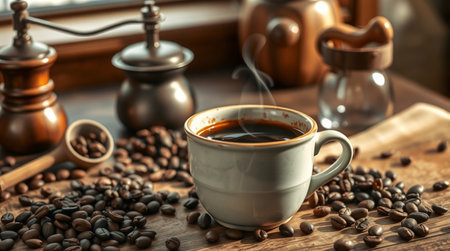

The Rise of Pour Over Coffee Culture in India
For generations, India’s beverage identity has been deeply entwined with the ritual of chai—spiced, sweet, and brewed in countless variations across the country. However, in recent years, a quiet revolution has taken root in urban India: the rise of pour over coffee culture. Once considered a niche practice limited to Western cafes and expatriate enclaves, manual brewing methods such as Chemex and other pour over coffee makers are now making their way into Indian homes and specialty cafes from Bengaluru to Mumbai. This shift is driven by young professionals, third-wave café owners, and a new generation eager to explore the nuanced flavors that single-origin Indian beans can offer when brewed with precision and care. The journey of these brewing methods into India’s vibrant café scene speaks not only to changing tastes but also to a broader embrace of artisanal and slow-living practices within the fast-paced fabric of urban Indian life. As more Indians discover the joys of carefully extracted filter coffee—distinct from traditional South Indian filter kaapi or instant blends—the Chemex and its pour over cousins have become symbols of both global sophistication and local reinvention.
2. Understanding Chemex and Pour Over: What Makes Them Unique?
For coffee enthusiasts across India, the ritual of brewing is as important as the beverage itself. The Chemex and pour over methods have captivated urban Indian coffee lovers who seek a blend of tradition, precision, and aesthetics in their daily cup. But what sets these brewers apart from conventional methods like South Indian filter coffee or instant mixes? Let’s delve into the unique characteristics, brewing philosophy, and design aesthetics of Chemex and various pour over coffee makers—and explore how they resonate with Indian sensibilities.
Chemex: Elegance Meets Functionality
The Chemex, invented in 1941 by Peter Schlumbohm, is instantly recognisable for its hourglass-shaped borosilicate glass body and polished wood collar. Its thick proprietary paper filters remove oils and fine particles, resulting in a clean, bright cup that allows subtle flavours to shine—a quality appreciated by those exploring India’s own growing repertoire of single origin beans from Coorg, Chikmagalur, or Araku.
Key Features of Chemex
| Feature | Description | Indian Context |
|---|---|---|
| Design | Elegant glass vessel with wooden collar | Adds a contemporary flair to Indian homes; doubles as a serving carafe during gatherings |
| Filter | Thick bonded paper filter | Removes bitterness—aligns with Indian preference for smoothness in beverages |
| Brew Style | Manual pour over; emphasises technique & patience | Suits leisurely weekends or when hosting guests—an act of hospitality (Atithi Devo Bhava) |
Pour Over Coffee Makers: Customisation & Ritual
Apart from Chemex, several pour over devices—like the Hario V60, Kalita Wave, or even local adaptations—offer flexibility in design and technique. The process invites experimentation with grind size, pouring style, water temperature, and timing. For Indian coffee aficionados used to customising their masala chai or filter kaapi, this method offers a familiar sense of control and personal touch.
Comparing Popular Pour Over Devices in India
| Coffee Maker | Distinctive Element | Why It Appeals to Indians |
|---|---|---|
| Chemex | Smooth flavour profile; visual appeal | Ideal for hosting; visually impressive on the dining table during festivals or gatherings |
| Hario V60 | Spiral ridges; cone shape for faster flow rate | Great for those who want quick yet nuanced brews before heading out to work or college in bustling metros like Mumbai or Bengaluru |
| Kalita Wave | Flat-bottom design for even extraction | User-friendly for beginners exploring specialty beans from local roasters like Blue Tokai or Third Wave Coffee Roasters |
| Local Variants/Drippers | Simplified designs; often stainless steel or ceramic | Budget-friendly and readily available; resonates with the jugaad (innovative) spirit found across India’s kitchens |
The Brewing Philosophy: Slow Living & Hospitality
The essence of Chemex and pour over lies in mindfulness—a deliberate approach that mirrors Indian values around hospitality and offering one’s best to guests. Preparing coffee becomes an act of care; whether it’s a quiet morning in Chennai or an adda session (chat gathering) in Kolkata. The visual beauty of these devices also makes them conversation starters, perfectly suited to India’s vibrant culture of sharing stories over a cup.
3. Top Chemex & Pour Over Coffee Makers Easily Available in India
India’s growing coffee culture has led to a surge in demand for premium brewing equipment, and pour over methods like Chemex are now widely accessible. Whether you’re a home brewer just starting your coffee journey or a seasoned aficionado seeking that perfect cup, the Indian market offers diverse options for every taste and budget. Let’s explore some of the best Chemex and pour over coffee makers available across popular Indian e-commerce platforms and speciality coffee stores.
Chemex Classic Series
The iconic Chemex Classic Series remains a favourite among purists for its elegant design and ability to deliver a clean, nuanced brew. Available in multiple sizes (3-cup, 6-cup, and 8-cup), the Chemex can be found on Amazon India, Blue Tokai Coffee Roasters’ online store, and other specialty retailers. While it comes at a premium price point, many consider it an investment in brewing excellence.
Hario V60 Dripper
Japan’s Hario V60 has carved out a loyal following among Indian coffee lovers due to its versatility and affordability. The V60 is readily available in ceramic, glass, plastic, and metal variants through Flipkart, Third Wave Coffee Roasters, and other local sellers. Its spiral ridges and large hole give brewers control over extraction—a feature prized by both beginners and pros.
Kent Gold Pour Over Brewer
For those seeking locally available alternatives at a friendlier price, Kent’s Gold Pour Over Brewer is a practical choice. Designed for everyday convenience without compromising flavour clarity, it appeals especially to students and working professionals who want quality without breaking the bank. It’s easily sourced from leading appliance outlets and online stores.
Bialetti Pour Over Set
The Italian brand Bialetti—famous for its Moka pots—has also entered India’s pour over scene with stylish sets that combine tradition with innovation. These are typically stocked by premium kitchenware stores in metros like Mumbai and Bengaluru or via niche online platforms catering to connoisseurs.
Where to Buy: Navigating India’s Coffee Gear Market
Major e-commerce sites such as Amazon.in and Flipkart offer nationwide delivery of genuine products, while specialty shops like Blue Tokai, Third Wave Coffee Roasters, The Indian Bean, and KCROASTERS provide curated selections alongside expert advice. Urban coffee lovers can even find hands-on demonstrations at select cafes in cities like Delhi, Bengaluru, and Chennai.
With this abundance of choice across price points—from imported Chemex models to innovative Indian brands—the joy of pour over brewing is more accessible than ever before in India. Whether you prefer globally renowned icons or indigenous ingenuity, there’s a perfect pour over solution waiting to elevate your daily ritual.
4. Local Coffee and Global Methods: Indian Beans Brewed to Perfection
India’s coffee story is woven into the very soil of regions like Coorg, Chikmagalur, and Araku, each offering beans with unique flavour notes shaped by their distinct terroir. In recent years, the global fascination with specialty brewing methods such as Chemex and pour over has found enthusiastic followers among Indian coffee lovers, creating a dynamic blend of tradition and modernity in every cup.
The Indian Terroir: Coffee Varieties Worth Exploring
Homegrown Indian coffees have long been appreciated for their low acidity and full-bodied profiles. The estates of Coorg are famed for their earthy, spicy Arabica; Chikmagalur produces well-balanced beans with hints of chocolate and fruit; while Araku Valley is gaining recognition for its organic, fruity notes developed in tribal-owned farms. These regional nuances can be elevated through precise brewing methods that highlight the bean’s natural character.
Global Brewing Methods Meet Indian Beans
Chemex and pour over techniques enable coffee aficionados to extract delicate flavours from local beans, emphasising clarity and aroma. This approach contrasts with traditional South Indian filter coffee, which often uses dark roasts and chicory blends. By embracing these international methods, Indian households are discovering new ways to appreciate indigenous beans.
| Region | Notable Flavour Notes | Ideal Chemex/Pourover Grind |
|---|---|---|
| Coorg | Earthy, spicy, robust | Medium-coarse |
| Chikmagalur | Chocolate, nutty, balanced acidity | Medium |
| Araku Valley | Fruity, floral, light-bodied | Medium-fine |
Cultural Resonance: A New Ritual in Indian Homes
The act of preparing Chemex or pour over coffee has itself become a mindful ritual for many urban Indians—mirroring the slow-paced enjoyment of traditional chai or filter kaapi but with a contemporary twist. Cafés across Bengaluru, Hyderabad, and Mumbai now serve single-origin Indian coffees brewed via Chemex or V60, sparking curiosity about the origins and optimal preparation of each cup at home.
Blending Heritage With Modernity
This fusion of local beans and global brewing techniques doesn’t just elevate taste; it celebrates India’s evolving coffee culture. As more Indians seek artisanal experiences at home, selecting estate-specific beans from Coorg, Chikmagalur or Araku and brewing them with Chemex or pour over makers allows them to savour both the legacy of Indian coffee farming and the precision of modern specialty brewing.
5. Brewing Rituals: Setting Up for a Perfect Pour Over at Home
Mastering the art of pour over coffee at home is more than just technique—it’s a cherished morning ritual, akin to brewing chai in Indian households. Whether you’re using a classic Chemex or another pour over coffee maker, setting up your gear and process thoughtfully will elevate your cup from good to truly memorable. Here are some practical tips, with a special nod to local Indian habits and resources.
Choosing the Right Gear: Simple Yet Effective
For Indian homes, compact and easy-to-clean equipment is a must. Chemex brewers look elegant on any kitchen shelf—think of them as the modern-day ‘matka’ (मटका) for coffee! If counter space is tight, consider smaller pour over drippers like Hario V60 or even stainless steel filters (‘kaapi’ style, similar to South Indian filter coffee but adapted for pour over). Make sure your kettle has a gooseneck spout for controlled pouring; an electric kettle works well if you want consistency, but even a simple ‘patila’ (पतीला) can do the job with practice.
Filters: Paper or Cloth?
Chemex uses proprietary bonded paper filters, which are thick and give a cleaner brew. These are now available online in India via e-commerce platforms like Amazon or Flipkart. Alternatively, reusable metal or cloth filters (‘muslin ka kapda’, மெல்லிசை துணி) work well and are eco-friendly—a nod to traditional Indian sustainability. Rinse filters thoroughly before brewing to avoid any papery taste.
Water Quality: The Unsung Hero
The foundation of great pour over coffee is good water—remember, it’s 98% of your cup! In most urban Indian cities where tap water may be hard or chlorinated, filtered or bottled water (RO or UV-purified) ensures clarity of flavour. Aim for water just off the boil—about 90-96°C (you can judge by watching for small bubbles, like when making rasam or chai).
Grind Size: Freshness Matters
If you have a grinder at home (‘mixer-grinder’/मिक्सर), opt for a medium-coarse grind—like rava (रवा) or suji consistency—so that water flows evenly through the grounds. Pre-ground coffee from local roasters is convenient but loses aroma quickly; buy whole beans if possible and grind just before brewing for the best results.
Local Flavour: Add Your Own Twist
Don’t hesitate to add a pinch of cardamom powder (‘elaichi’/ஏலக்காய்) or experiment with single-origin Indian beans from Chikmagalur, Coorg, or Araku Valley. Making pour over coffee at home can become your new mindful morning routine—just like those leisurely sips of chai on the verandah!
With these tips, your Chemex or pour over setup will fit seamlessly into the rhythm of Indian daily life—delivering not just a caffeine kick but also a touch of global sophistication to your home café experience.
6. Community and Cafe Culture: The Social Side of Pour Over in India
India’s vibrant coffee culture is undergoing a transformation, with the ritual of pour over coffee gaining momentum among the urban youth and creative communities, especially in cities like Bengaluru, Mumbai, and Delhi. Traditionally, Indian coffee was synonymous with filter kaapi in the South or the sweetened instant coffee enjoyed across the country. However, as global trends meet local aspirations, specialty cafes are now fostering a new wave of appreciation for manual brewing methods such as Chemex and pour over.
The Rise of Third Wave Cafes
Bengaluru: The Coffee Capital’s New Identity
Bengaluru, long known for its proximity to India’s coffee estates, now boasts an impressive array of third wave cafes where pour over is much more than a brewing method—it’s a cultural statement. Spaces like Third Wave Coffee Roasters and Blue Tokai have become hubs for discussions about single-origin beans, roast profiles, and artisanal techniques. Here, young professionals and students gather not just for caffeine but for community—sharing stories over Chemex-brewed cups and learning from knowledgeable baristas.
Mumbai & Delhi: Urban Rituals Redefined
In Mumbai and Delhi, the fast-paced city life finds pause within the walls of contemporary cafes such as Subko, Koinonia Coffee Roasters, and Perch. These venues have embraced pour over as both an art form and a social ritual. For many urbanites, ordering a hand-crafted pour over is now a way to signal connoisseurship and connect with like-minded peers. Creative professionals host informal meetings here, while weekend workshops on manual brewing draw crowds eager to deepen their appreciation for high-quality Indian coffee.
Cafe Spaces as Cultural Catalysts
The surge in popularity of Chemex and other pour over devices has created new opportunities for local roasters, baristas, and even home brewers to interact. In these cafe environments, conversations flow freely—from the nuances of Arabica versus Robusta beans grown in Chikmagalur or Coorg, to tips on how to perfect one’s blooming technique at home. This growing subculture is carving out a unique identity within India’s larger beverage landscape—one that celebrates experimentation, knowledge-sharing, and the joy of slowing down together.
Conclusion: Beyond Just a Cup
Ultimately, the spread of pour over coffee makers like Chemex across Indian metros is about more than just taste; it reflects changing social habits and aspirations. As cafes continue to nurture these spaces for connection and creativity, pour over coffee stands as both a symbol of modernity and a bridge between global influences and Indian traditions—a blend as rich and nuanced as the brews themselves.